
Buying shoes online can be convenient, but the right choice depends on more than colour or a product photo. Foot shape, intended use, material, sole construction and return terms all matter. Use this guide to compare options before you order, especially if you cannot try the shoes on in person.
1. Decide what the shoes need to do
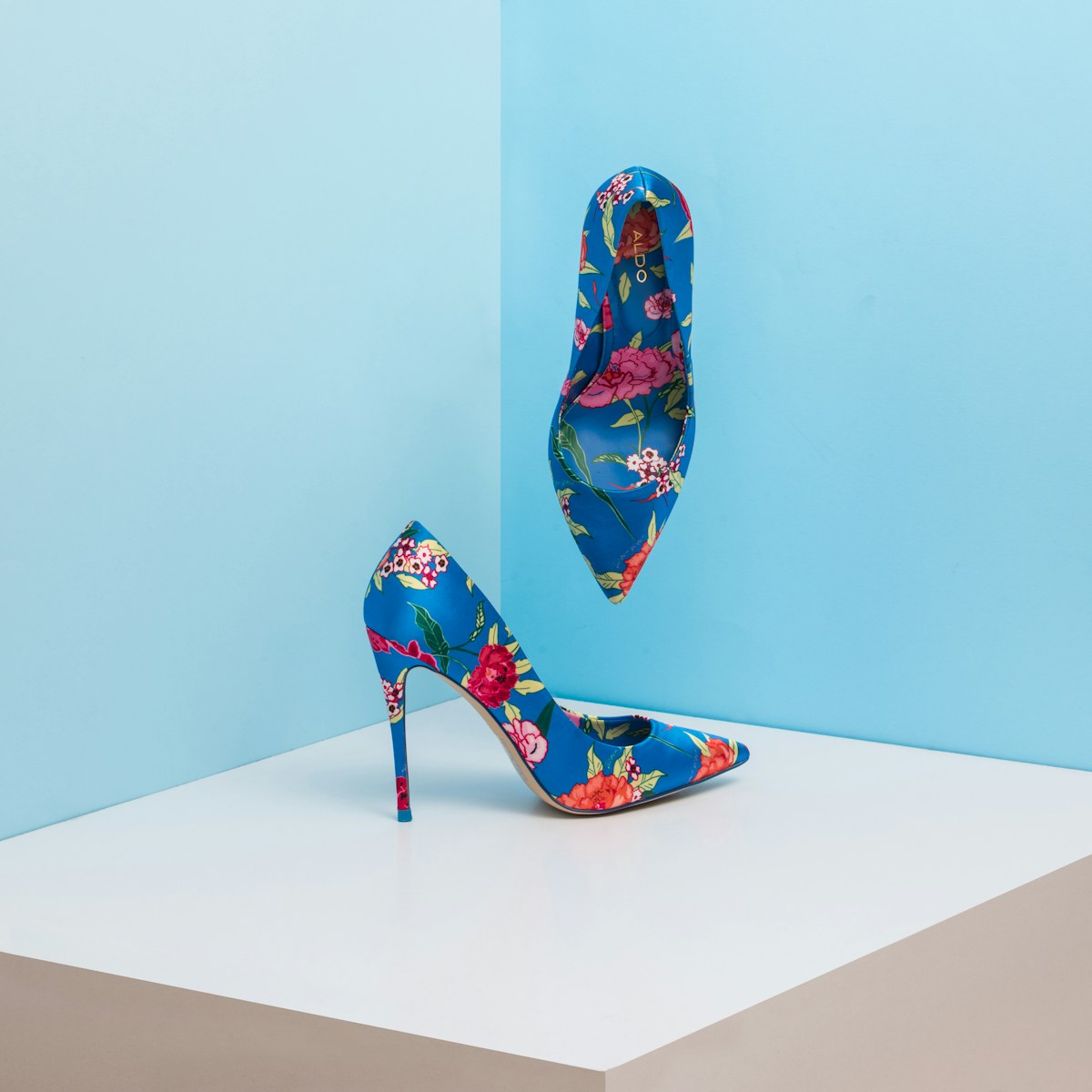
Start with the main use: commuting, walking, work, casual outings, formal events or exercise. A shoe designed for running may not be the best choice for a long workday, and a dress shoe may not provide the grip or support you want for uneven pavements. If you need one versatile pair, look for a style that suits most of your routine rather than trying to make one pair work for every situation.
2. Measure both feet and check the size chart
Foot length and width can change over time, and sizing varies between brands. Measure both feet while standing and use the larger measurement as your starting point. Compare it with the brand’s own size chart rather than assuming the same number will fit across every label. If you are between sizes, read the retailer’s guidance and customer feedback about whether the model runs small, large or narrow.
Look for actual insole or foot-length measurements where available. A generic S, M or L label is less helpful than a clear chart. If the product listing does not explain sizing well, contact the retailer before ordering.
3. Check toe room, heel hold and width
Your toes should have room to move without being squeezed, while the heel should feel secure rather than slipping with every step. A shoe that is too narrow may rub along the sides, and a shoe that is too wide can allow the foot to slide. The best fit should feel comfortable without needing to be painfully “broken in.”
When trying shoes indoors, walk, turn and sit down. Pay attention to pressure points, rubbing, pinching and whether the shoe bends where your foot naturally bends. Do not keep wearing shoes that cause pain in the hope they will eventually become comfortable.
4. Understand the sole and cushioning
Sole design should match the surface and activity. A flexible, lightweight sole can suit casual wear, while a more structured sole may suit longer periods on your feet. Tread matters when you walk on wet or uneven surfaces. Cushioning preferences are personal; more cushioning is not automatically better for every person or activity.
5. Compare materials and construction
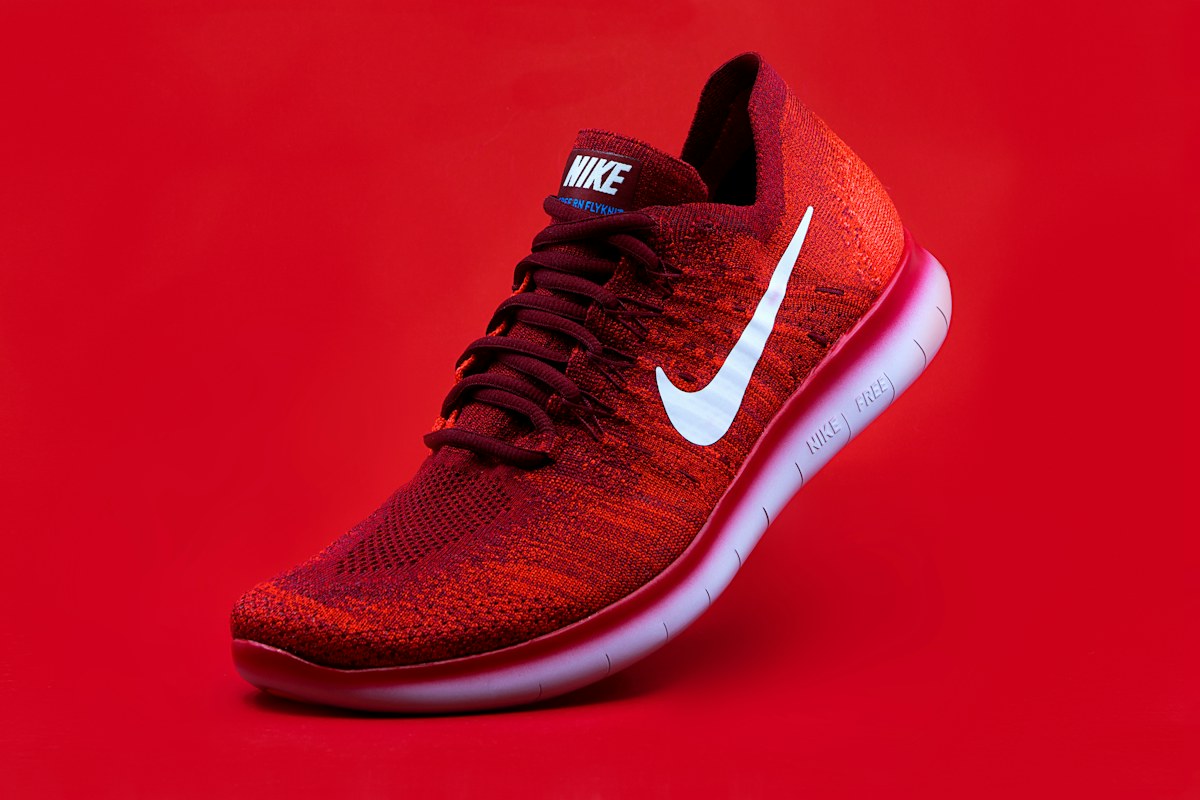
Read the material details carefully. Leather, synthetic materials, mesh, canvas and knit fabrics have different care needs and may feel different in warm or wet conditions. Check stitching, seams, lining, eyelets, zips and sole attachment where product photos show them. If water resistance is important, look for a specific claim and its limitations rather than assuming that a closed shoe is waterproof.
For everyday footwear, also consider how easy the shoes are to clean and whether replacement insoles or laces are available. These small details can influence how useful a pair remains over time.
6. Use reviews as evidence, not as a guarantee
Read recent reviews from people who describe a similar use. Comments about toe room, arch feel, sole grip, durability and sizing can be more useful than a star rating alone. Look for repeated patterns across multiple reviews. One person’s perfect fit may not match your foot shape, and a product may have changed between versions.
7. Compare the final price and return policy
Before checkout, check delivery costs, estimated arrival time, return deadlines, restocking fees and whether worn or tried-on shoes can be returned. Keep packaging until you have tested the fit indoors. If a product is sold by a marketplace seller, confirm who handles returns and customer support.
8. Choose the style you will actually wear
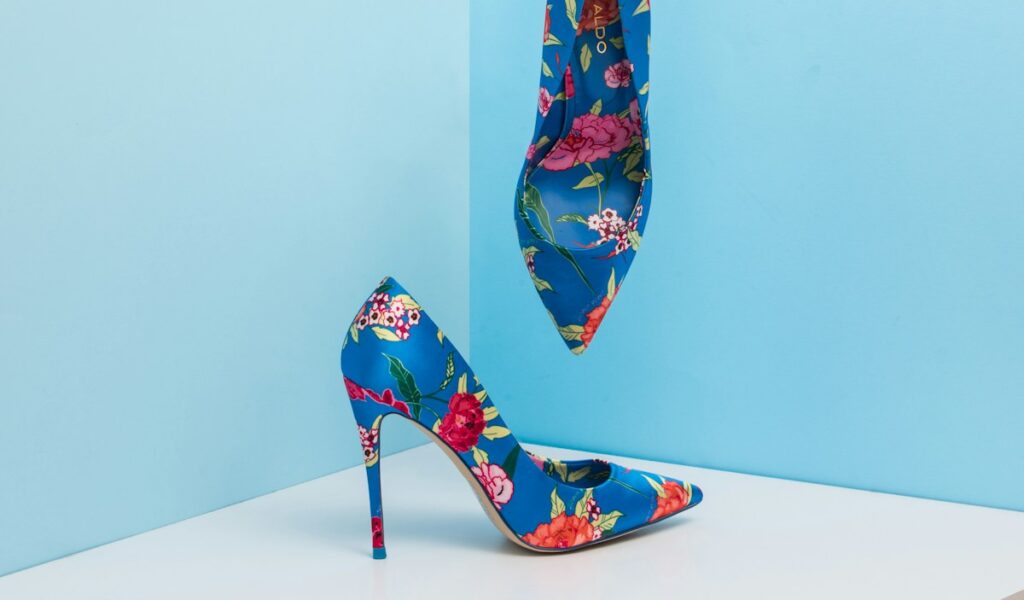
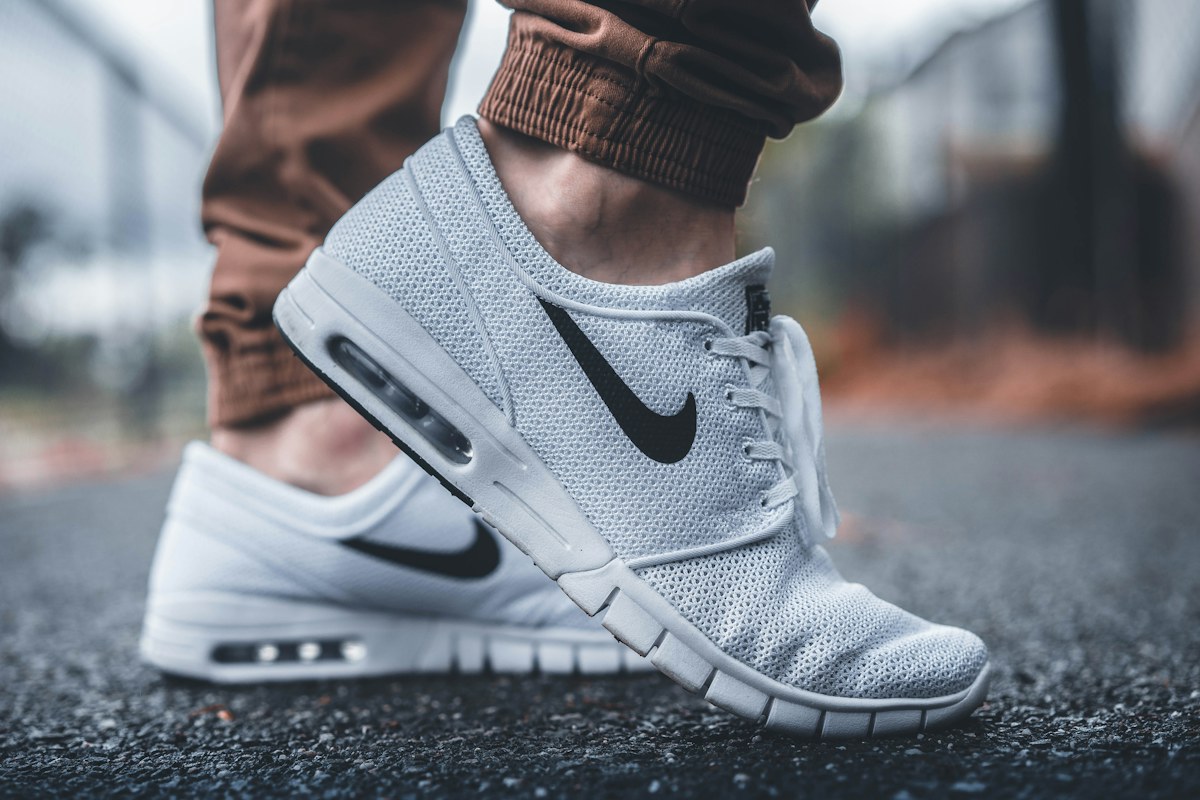
Neutral trainers, loafers, flats, sandals, boots and dress shoes can each be useful, depending on your climate and routine. Choose a colour that works with clothes you already own. If a bold pair will only match one outfit, it may be a fun occasional purchase rather than an everyday essential.
Quick checklist before you buy
- Confirm the brand’s size chart and measure both feet.
- Check width, toe room and heel hold.
- Match the sole and materials to your routine.
- Read recent reviews for repeated fit or durability issues.
- Check the full price, delivery details and return terms.
Final thoughts
The best shoes are the ones that fit well, suit the activity and work with your daily routine. Compare measurements and materials, read reviews carefully, and check return conditions before ordering. A little research can help you avoid a pair that looks great in photos but stays unused in the cupboard.
BestBuyZon may include affiliate links on some pages. Read our Affiliate Disclosure for details.