
Jewelry can make a familiar outfit feel more personal, but choosing a piece online requires more than looking at its colour. Material, dimensions, clasp quality, care instructions and the retailer’s description all help you understand what you are buying. This guide explains how to compare everyday jewelry without assuming that one style or material suits everyone.
1. Choose the purpose first
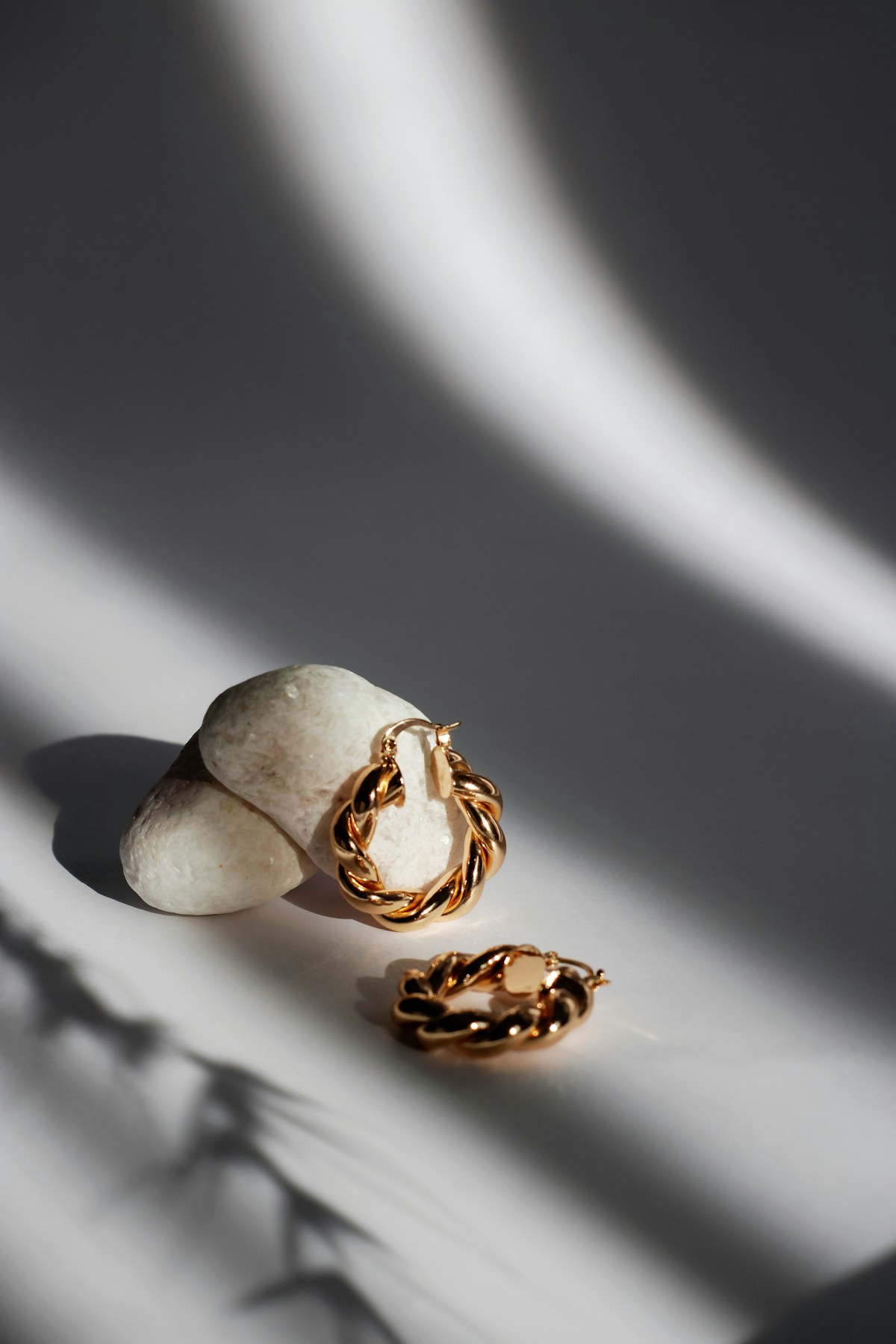
Think about when you plan to wear the piece. Simple earrings, a chain or a bracelet may suit everyday use, while a more decorative item may be saved for events. If you want jewelry to work with several outfits, consider the colours and necklines you wear most often. If you enjoy bold accessories, a statement piece may be a better fit than a neutral design.
There is no rule that every collection needs to be minimal or matching. Choose pieces that feel comfortable and reflect your preferences. The practical question is whether you will actually wear the item and whether it fits the occasions you have in mind.
2. Read the material description carefully
Jewelry listings may use terms such as solid gold, gold-filled, gold-plated, sterling silver, stainless steel, brass, alloy or imitation jewelry. These terms describe different materials and construction methods. A gold-coloured finish does not automatically mean the item is made from solid gold, and a silver colour does not necessarily mean sterling silver.
Look for specific material details from the seller. If a listing makes a precious-metal claim, check whether it explains the metal content or hallmark. If the material description is vague, do not assume the item has a particular value or durability.
3. Consider sensitivity and comfort
If certain metals have caused irritation for you in the past, check the material information and any manufacturer guidance before purchasing. The term “hypoallergenic” can be used differently by sellers and does not guarantee that every person will tolerate a product. If you have a known allergy, ask the retailer for precise material information rather than relying on a broad marketing label.
For earrings, consider post material, backing style and weight. Heavy earrings may feel uncomfortable over time. For necklaces and bracelets, look at the chain thickness, clasp type and whether the piece catches on clothing or hair.
4. Check dimensions and fit
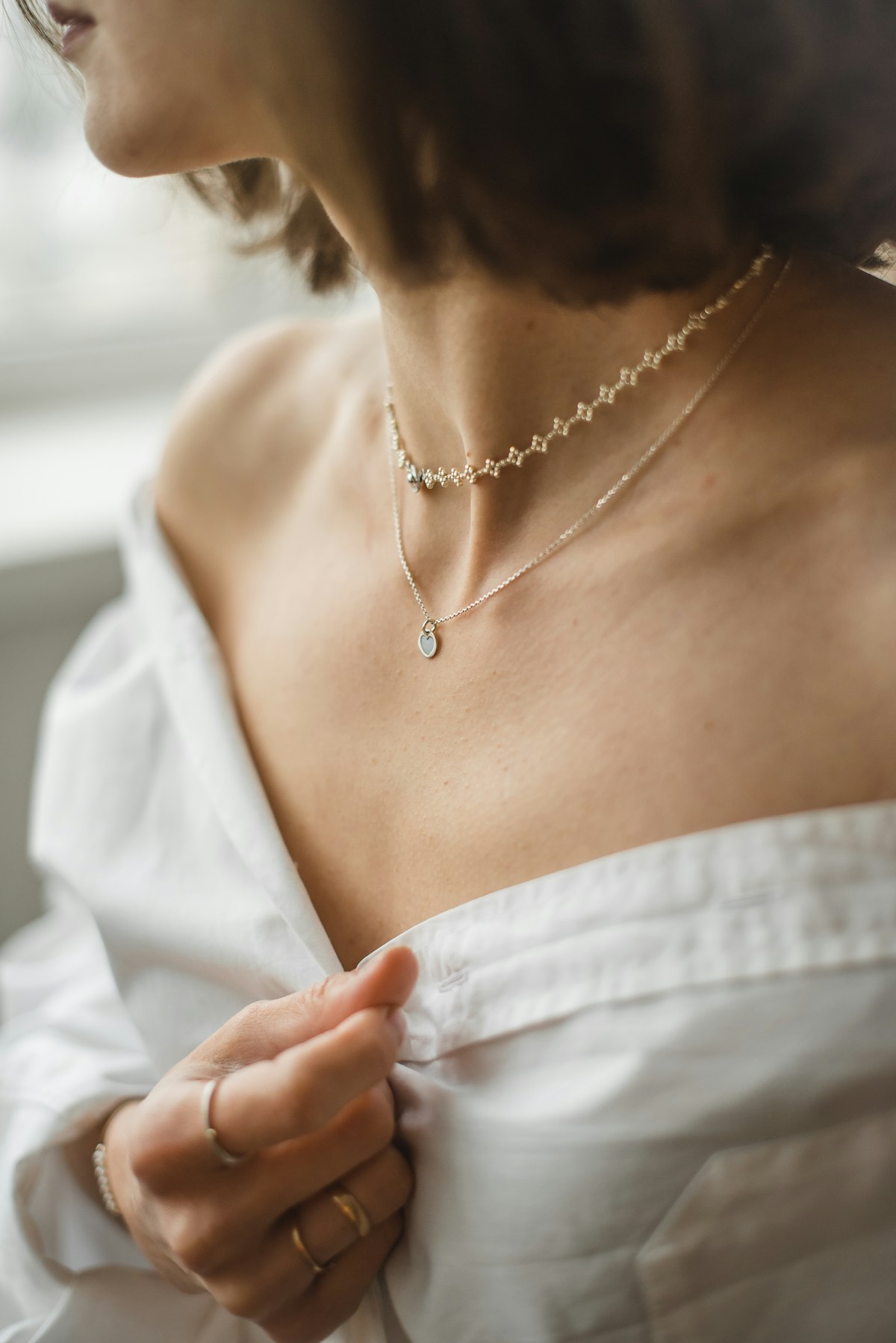
Product photos can make jewelry appear larger or smaller than it is. Check chain length, pendant dimensions, ring size, bracelet circumference and earring drop length. Compare measurements with a piece you already own or use a ruler to visualise the scale.
For rings, use the seller’s sizing guide and check the return policy, because size exchanges may be restricted. For necklaces, consider how the chain length will sit with the necklines you wear most often. For bracelets, make sure the listed measurement includes enough room for comfortable movement.
5. Look at clasps and construction
Inspect close-up images of clasps, links, settings and joins. Check whether stones are described as natural, lab-created, simulated or imitation, if that distinction matters to you. Do not assume a gemstone is natural simply because the photo looks realistic. The listing should explain the material accurately.
Reviews can sometimes reveal whether a clasp is difficult to use, a chain tangles easily or the finish changes with regular wear. Look for repeated, specific comments rather than relying only on star ratings.
6. Match the finish to your wardrobe
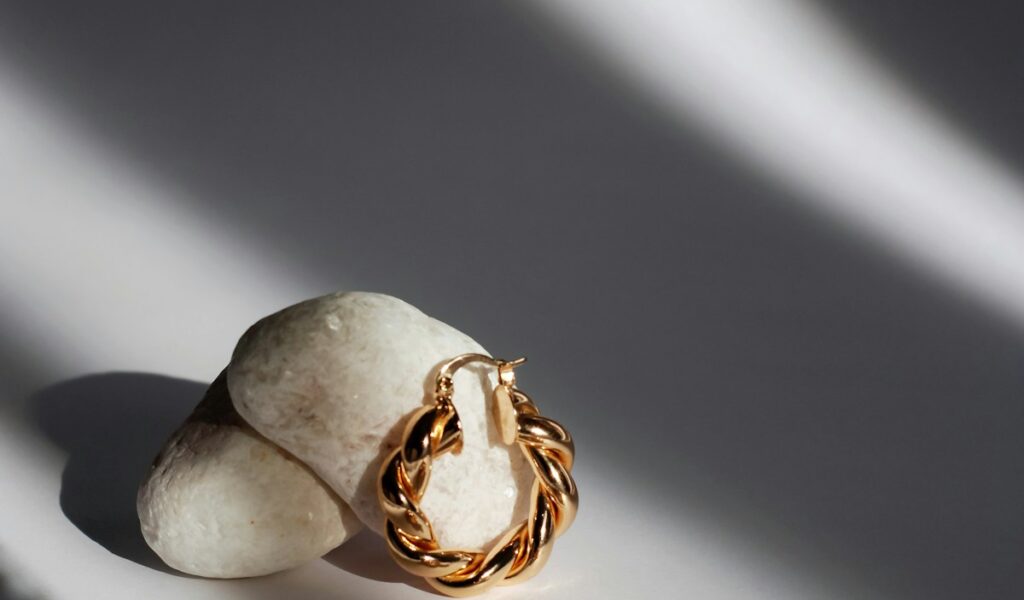
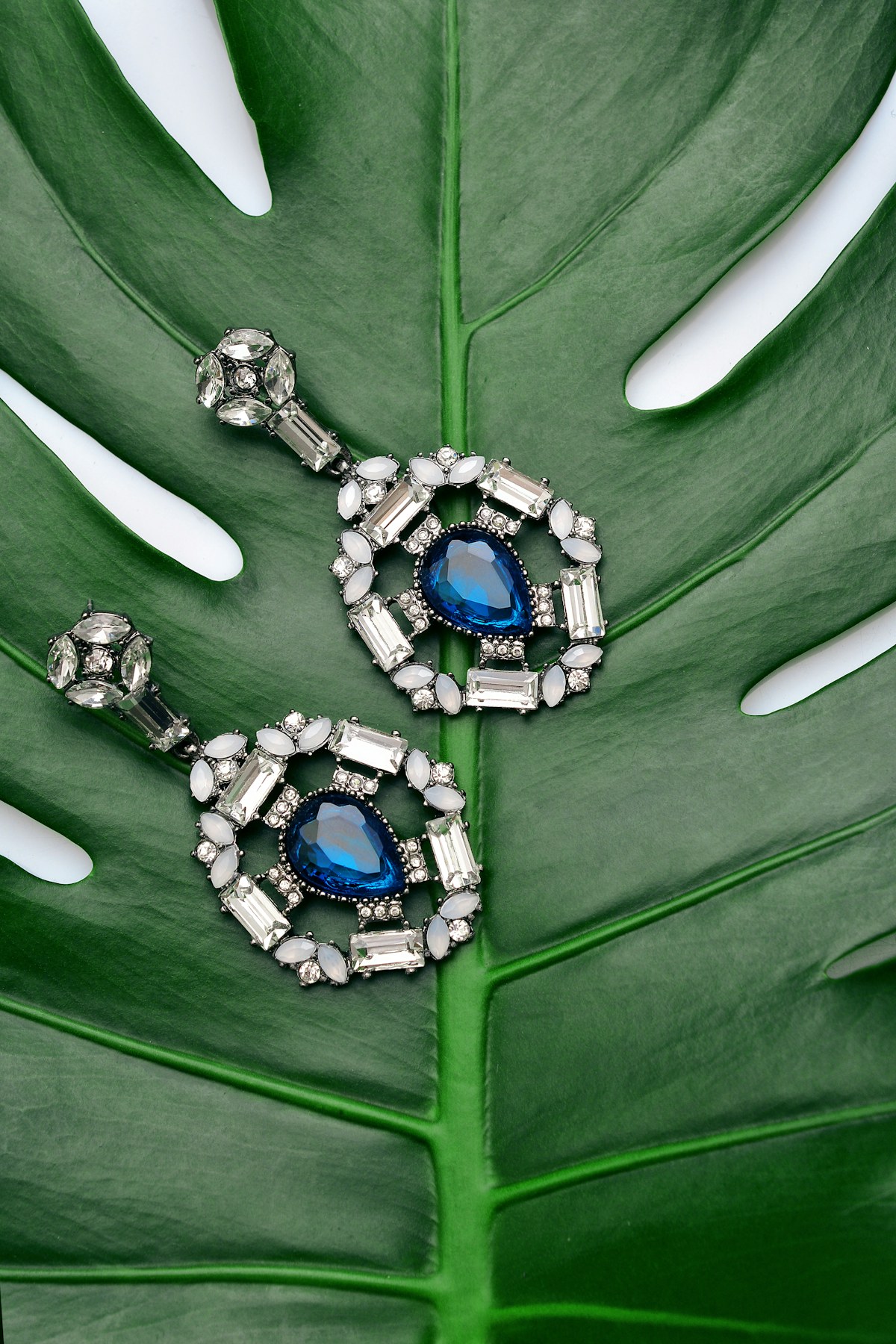
Gold-tone, silver-tone, mixed-metal and colourful pieces can all work. Consider which finishes you already wear and whether you want the new piece to blend in or stand out. You do not need every item to match perfectly; a deliberate mix can look cohesive when it reflects your taste.
For a versatile everyday piece, a simple design may be easier to combine with different outfits. For a special occasion, you may prefer a more distinctive shape or colour. Think about how often you will wear the piece before spending more on a style that may be used rarely.
7. Understand care and storage
Follow the care instructions provided by the maker. Some finishes may be affected by water, perfume, lotions, cleaning products or sweat. Store pieces separately when possible to reduce scratches and tangles, and keep them in a dry place. Do not use a cleaning solution unless it is suitable for the specific material and finish.
If the seller does not provide care information, treat that as a question to resolve before buying, especially for a higher-priced piece. Material and finish affect how jewelry should be cleaned and stored.
8. Compare the final price and retailer policies
Check the full price, delivery charges, estimated delivery time, return window and refund conditions. Personalized, pierced or hygiene-sensitive items may have special return restrictions. If you are purchasing through a marketplace, confirm which seller is responsible for the order and support.
Quick jewelry shopping checklist
- Confirm the exact metal, finish and stone description.
- Check measurements and size charts.
- Consider weight, clasp type and comfort.
- Review care instructions and sensitivity concerns.
- Read detailed reviews for repeated issues.
- Confirm the final price and return conditions.
Final thoughts
The best jewelry purchase is one that fits your style, feels comfortable and is described accurately. Check materials, dimensions, construction and care needs before you order. If important details are missing, ask the seller or choose a more transparent listing rather than making assumptions from the product photo.
BestBuyZon may include affiliate links on some pages. See our Affiliate Disclosure for details.