
A good everyday bag should make life easier. It needs to hold the things you carry, feel comfortable on your shoulder or in your hand, and suit the situations where you use it. The best choice is not necessarily the biggest, most expensive or most popular bag. It is the one that fits your routine and holds up to regular use.
1. List what you normally carry
Before browsing, gather the essentials you take with you most days: phone, wallet, keys, glasses, water bottle, makeup pouch, notebook, charger or work items. This simple exercise helps you choose a realistic size. A small bag may look elegant but become frustrating if it cannot hold your daily essentials; an oversized tote may feel heavy when you only need a few things.
Think about occasional items too. If you sometimes carry a tablet, lunch or a change of clothes, check the dimensions rather than assuming the bag will fit them. Compare the listed measurements with a bag you already own to make the size easier to imagine.
2. Choose a shape that suits your routine
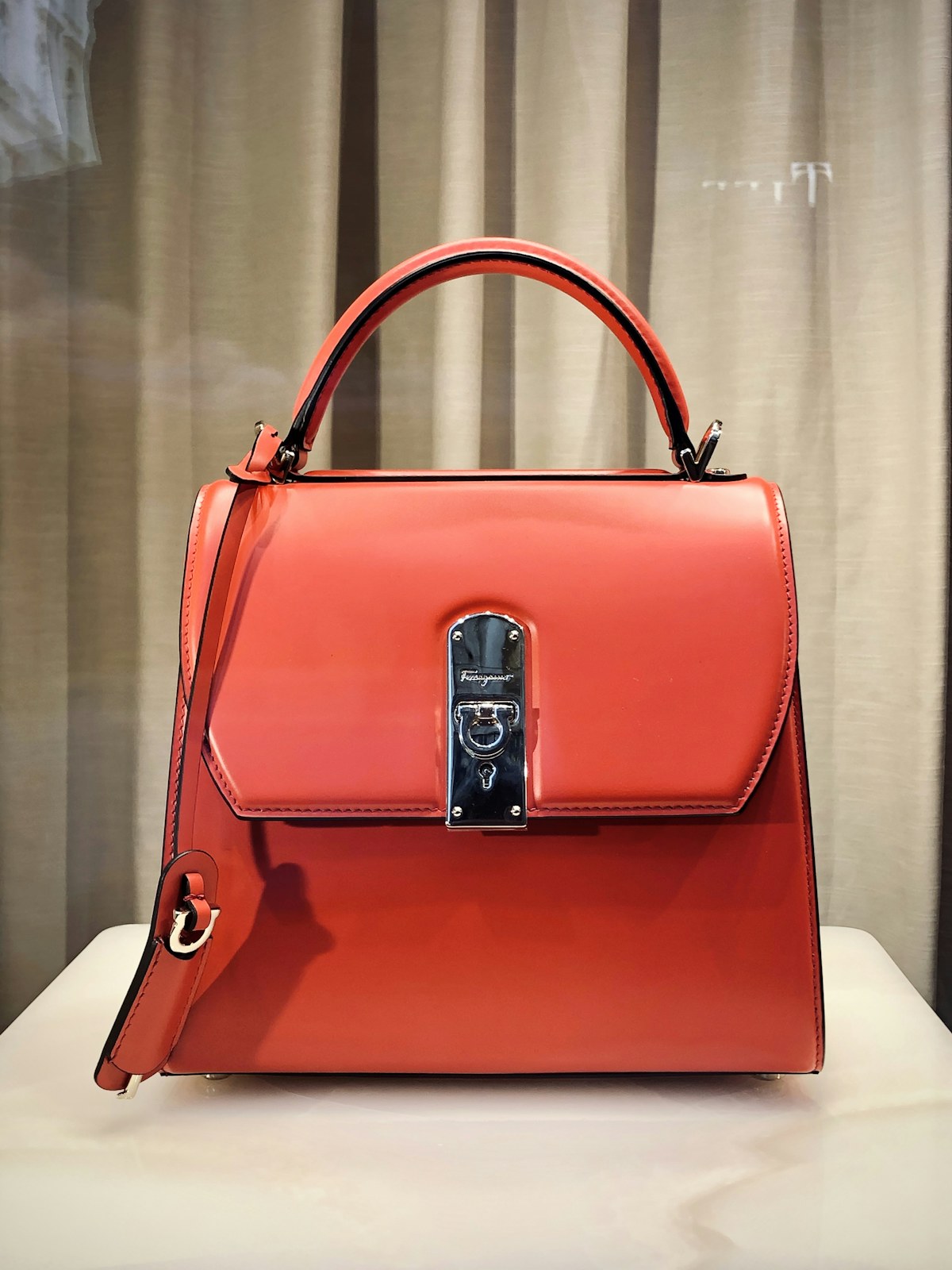
A crossbody bag can keep your hands free for errands or travel. A tote can suit work, shopping or days when you carry more. A compact shoulder bag may work for outings, while a backpack can distribute weight across both shoulders. A structured handbag can hold its shape, while a soft bag may feel more relaxed and flexible.
There is no universal best style. Consider how you move through your day, whether you use public transport, how often you need quick access to your phone and whether you prefer a zip, clasp or open top. The right design should make your routine easier.
3. Check straps, handles and weight
Straps affect comfort more than many shoppers expect. Check the strap length, whether it is adjustable, how wide it is and where it rests on your shoulder. Thin straps can dig in when a bag is heavy. Handles should feel secure and fit comfortably in your hand or over your arm.
Also consider the empty weight. A bag that feels heavy before you put anything inside may become uncomfortable once it is filled. If you regularly carry a laptop or water bottle, pay particular attention to weight distribution and strap construction.
4. Understand the materials
Product descriptions may list leather, faux leather, canvas, nylon, polyester, suede or other materials. Each has different care requirements and may respond differently to rain, scratches and daily wear. Read the material details rather than relying on a colour or texture in a photo. If water resistance matters, look for a clear statement about the material and its limits.
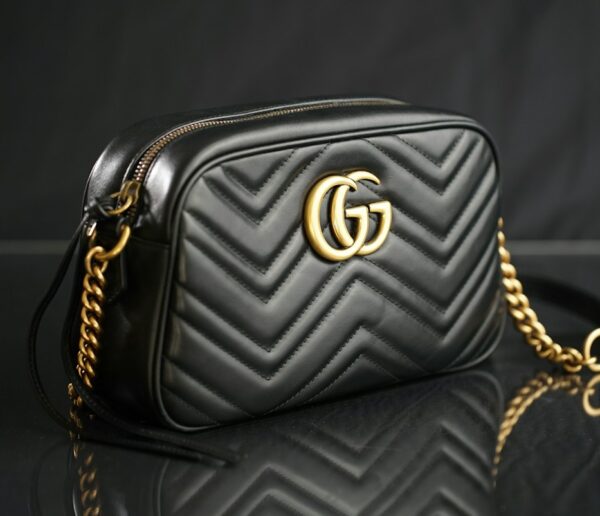
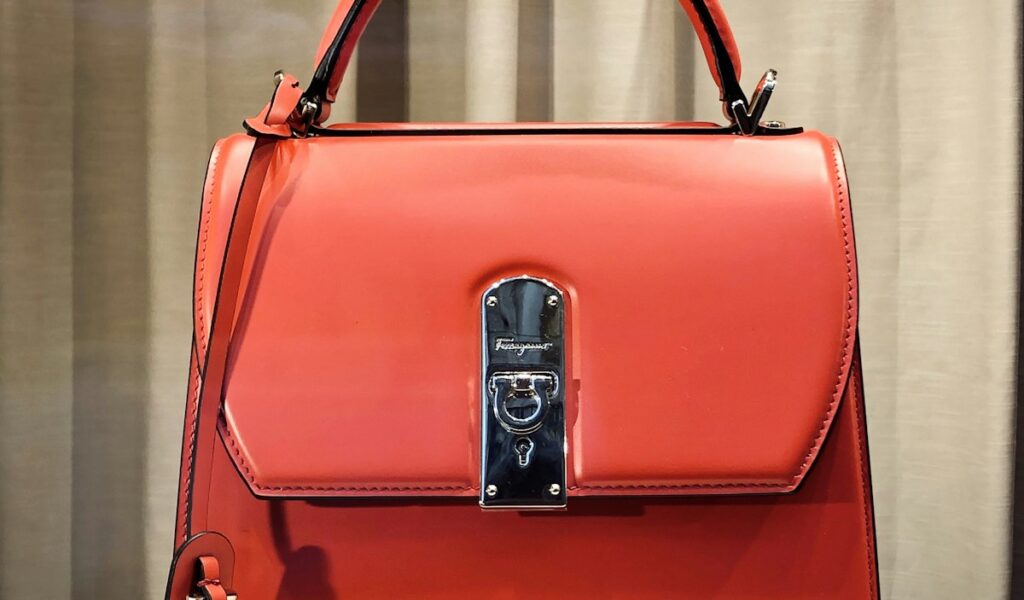
Inspect close-up photos of seams, lining, corners, handles, zips and hardware. These areas often show how a bag is constructed. A neat appearance is useful, but product photos alone cannot prove durability, so combine visual details with specific product information and credible reviews.

5. Check the inside layout
Pockets can help keep small items organized, but more pockets do not always mean a better bag. Think about what you need to reach quickly and whether the compartments suit your belongings. A secure zipped pocket may be useful for keys or a wallet, while a simple open compartment may make it easier to find everyday items.
If the listing shows only exterior photos, look for an interior image or product description. Check whether the main compartment closes securely and whether the lining is described. If the information is missing, ask the retailer before purchasing.
6. Match the bag to your wardrobe
If you want one bag to work with many outfits, consider the colours and styles you wear most often. Black, brown, tan, navy and other neutral shades can be easy to combine, but the best colour is one that suits your wardrobe and taste. A bright bag can be a useful accent if you enjoy making it the focus of an outfit.
Consider whether the hardware, shape and finish suit your usual clothes. A formal structured bag may not be ideal for a casual outdoor routine, while a relaxed canvas tote may not suit every occasion. If you need different functions, two practical bags may serve you better than trying to make one do everything.
7. Read reviews with a clear question in mind
Look for reviews that mention strap comfort, actual capacity, colour accuracy, material feel, stitching, zip quality and how the bag holds up after regular use. Recent, detailed reviews are often more useful than short comments that only say “nice.” Check whether reviewers mention the same size or version you are considering.
Photos from customers can sometimes help you judge scale, but remember that screen settings and lighting affect colour. A bag described as beige may appear warmer or cooler in different photos.
8. Check the full price and return terms
Compare the final cost, including shipping and any additional fees. Before ordering, review the return window, condition requirements, refund method and who pays return shipping. If a marketplace seller is involved, confirm which company handles support and returns. Keep packaging until you are sure the size and function meet your needs.
9. Care for the bag you choose
Follow the care instructions for the specific material. Avoid using household cleaners unless the manufacturer says they are suitable. Store bags in a dry place, avoid overloading them, and keep them away from prolonged moisture or direct heat when the material may be damaged. For structured bags, gentle storage can help them keep their shape.

Final checklist
- Confirm dimensions against the items you carry.
- Check strap length, handle comfort and empty weight.
- Read the exact material and care instructions.
- Inspect seams, corners, closures and lining.
- Read detailed reviews and check the retailer’s return policy.
Final thoughts
Choose a bag by starting with your routine, not by chasing a trend. A well-sized, comfortable bag with suitable materials and a useful layout can serve you for years. Compare the details, check current retailer terms and select a style that works with your wardrobe and budget.
BestBuyZon may include affiliate links on some pages. See our Affiliate Disclosure for details.