
Accessories can help an outfit feel complete without requiring a whole new wardrobe. A belt can change the shape of a look, a scarf can add colour, sunglasses can be practical as well as stylish, and jewelry can bring attention to details you enjoy. The most useful accessories are the ones that suit your routine, feel comfortable and work with more than one outfit.
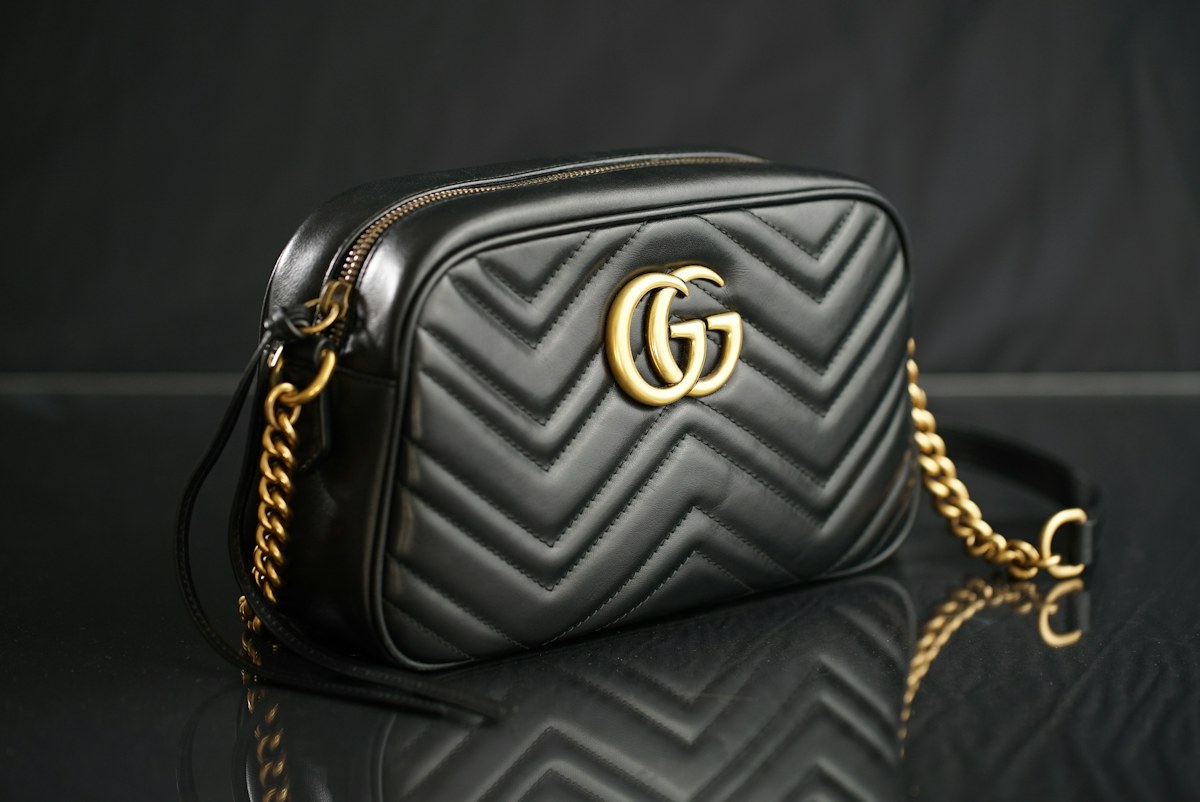
1. Start with your everyday outfits
Before shopping, look at the clothes you reach for most often. Notice the colours, necklines, sleeve lengths and shoe styles you wear. This helps you choose accessories that will actually be used. If most of your wardrobe is casual, formal accessories may not get much wear. If you regularly dress for work or events, a more polished option may be useful.
Think about the job an accessory should do. Do you need a practical belt, sunglasses, a bag, hair accessories, a scarf, jewelry or something for a special occasion? A clear purpose makes it easier to avoid buying duplicates that look appealing online but do not add much to your wardrobe.
2. Use colour to connect an outfit
Accessories can repeat a colour already present in your clothes or introduce a contrasting accent. Neutral shades can be easy to combine, but colour is a personal choice. You do not need every accessory to match your shoes or bag exactly; choose combinations that feel balanced to you.
If you are unsure about a bold colour, try it in a smaller item such as a scarf, hair clip or jewelry piece before buying a large statement accessory. Check product photos in different lighting where possible, because colours may look different on different screens.
3. Check size and proportions
Scale affects how an accessory works with an outfit. A wide belt creates a different effect from a narrow one; a large bag may overwhelm a light outfit, while a small bag may not hold your daily essentials. Look at the measurements and compare them with an item you already own.
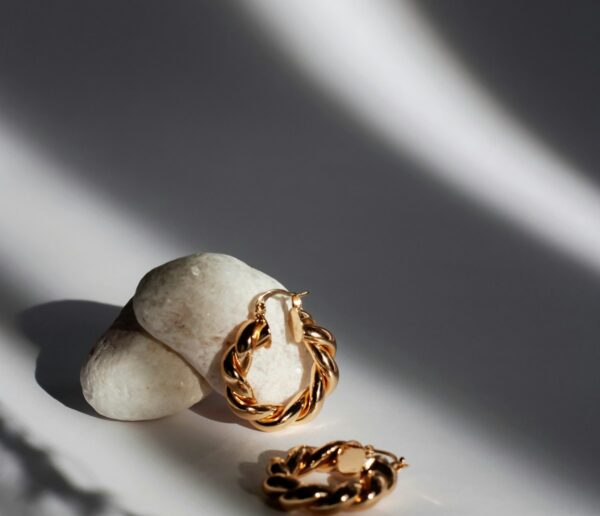
For sunglasses, check frame width and lens dimensions. For scarves, review the length and fabric. For jewelry, check chain length, pendant size, earring drop and bracelet circumference. Product images can be misleading when there is no familiar object for scale, so measurements are worth reading.
4. Prioritize comfort and function
Accessories should not be difficult to wear. Check whether a belt has the adjustment range you need, whether a bag strap feels comfortable, whether sunglasses sit securely and whether jewelry has a practical clasp. For hair accessories, consider whether the shape holds your hair without pulling or slipping.
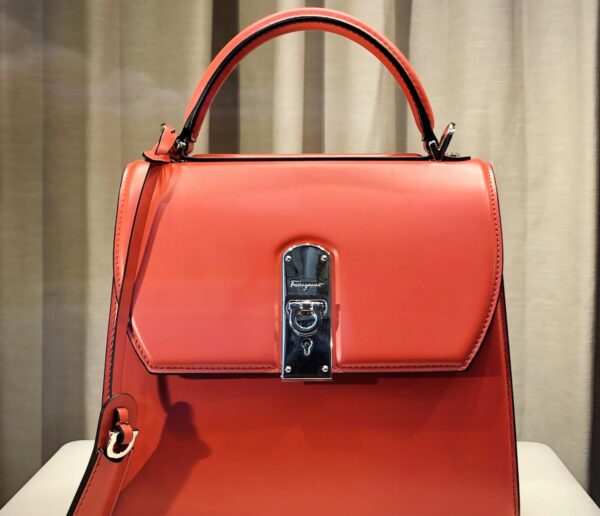
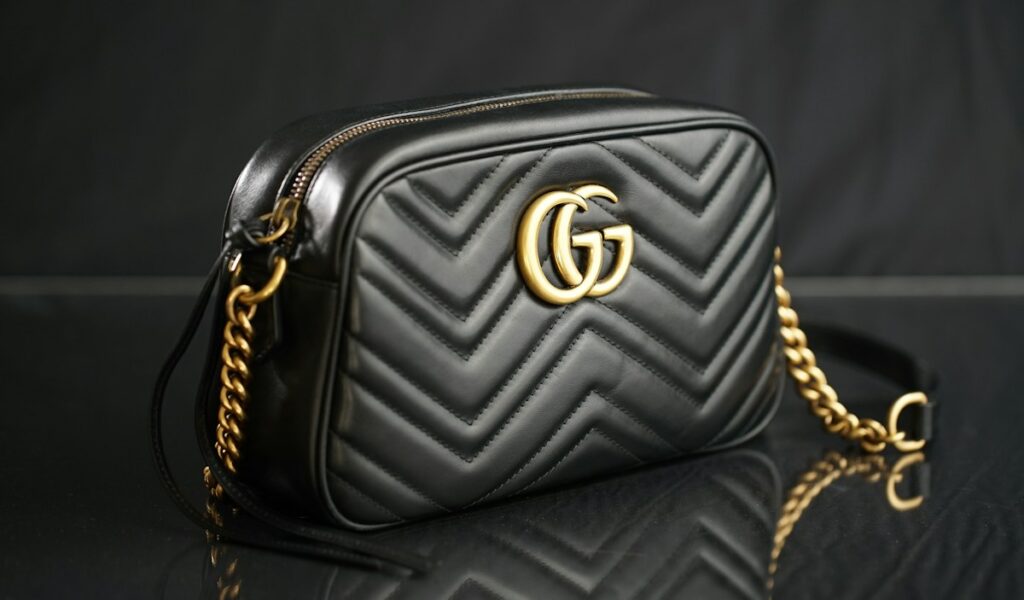
For bags, check the empty weight, strap length, closure and internal layout. For jewelry, consider weight and materials. For sunglasses, review the product’s stated UV protection rather than assuming that dark lenses alone provide it. If the listing does not explain an important feature, ask the retailer before buying.
5. Read material and care information
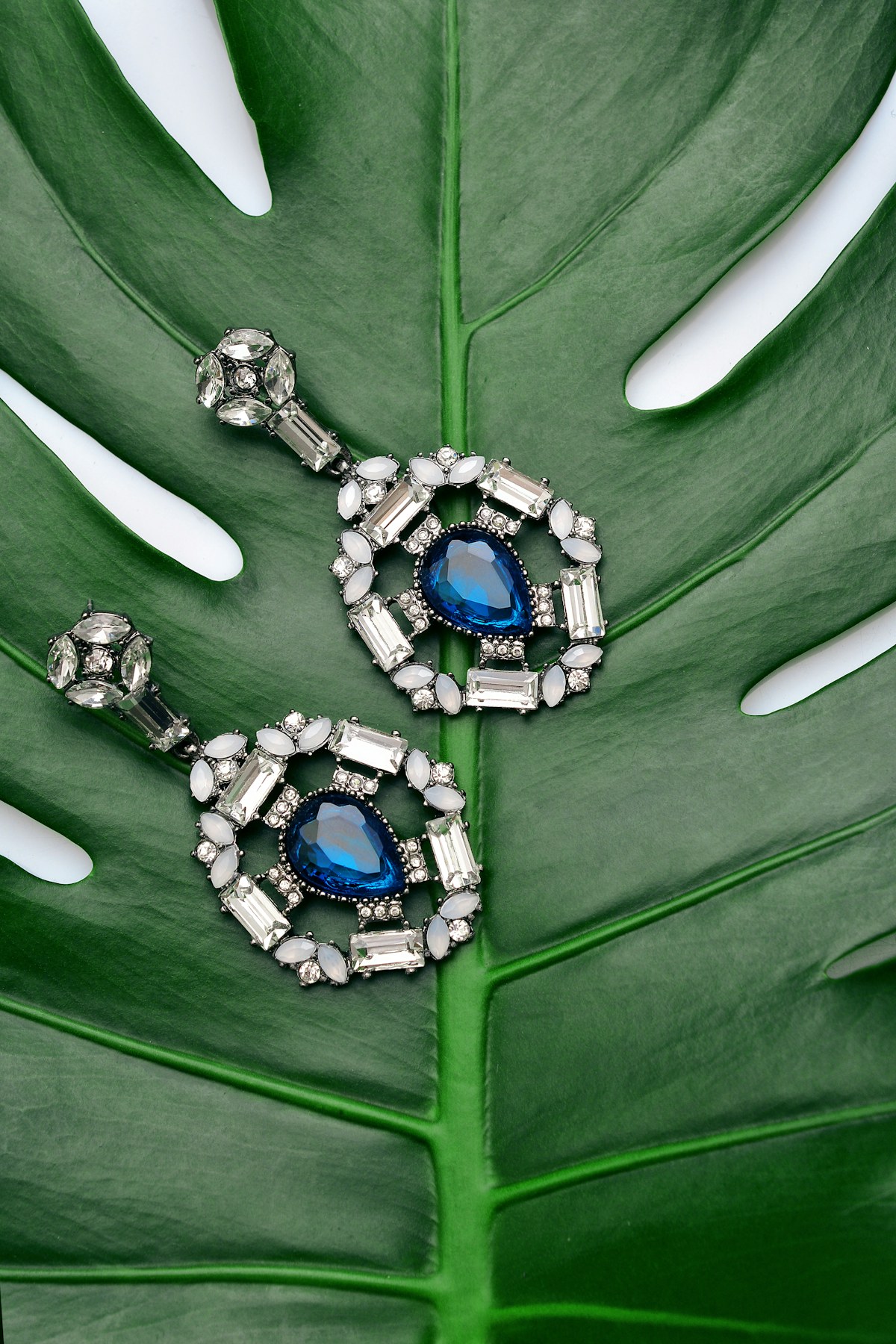
Material affects appearance, durability and care. Read whether a belt is leather, synthetic or textile; whether a scarf needs gentle washing; and whether jewelry is solid metal, plated or imitation. A gold-coloured finish does not automatically mean solid gold, and a product described as water-resistant may have limits.
Follow the maker’s care instructions and avoid cleaning products that are not suitable for the material. Store small items separately when possible to reduce tangles and scratches. Accessories that are easy to care for are more likely to stay in regular rotation.
6. Build a small, useful collection
A practical starting collection might include a belt that works with your trousers, sunglasses suited to your activities, a bag that fits your essentials, one or two scarves or hair accessories, and jewelry you feel comfortable wearing. You may need different items for your climate, work or personal style. There is no fixed number you must own.
Before adding another item, ask whether it works with at least three outfits you already wear. This is not a strict rule, but it can help you decide whether the purchase adds genuine variety or simply repeats something you already own.

7. Compare reviews, price and return terms
Look for detailed reviews about comfort, colour accuracy, size, material quality and construction. Repeated comments are more useful than a single broad compliment. Compare the final price, delivery charges, estimated arrival time and return policy before ordering. If a marketplace seller is involved, check who handles returns and support.
Quick checklist before buying
- Identify a real gap or purpose before shopping.
- Check measurements, fit and comfort.
- Read the material description and care instructions.
- Choose colours that work with clothes you already own.
- Read detailed reviews and check retailer return terms.
Final thoughts
Accessories are most useful when they make getting dressed easier and help express your personal style. Start with your everyday needs, compare measurements and materials, and choose pieces you will wear repeatedly. A few well-chosen items can add variety without filling your drawers with things you rarely use.
BestBuyZon may include affiliate links on some pages. See our Affiliate Disclosure for details.