

A versatile wardrobe is not about owning the fewest clothes or following every new trend. It is about choosing pieces that work with one another, fit your real routine and help you get dressed without overthinking every outfit. A smaller set of useful items can often create more combinations than a crowded wardrobe full of things that only work once.

1. Start with the life you actually live
Before buying anything, think about where you spend most of your time. Someone who works from home may need comfortable separates, while a person who commutes every day may need durable shoes, layers and a bag that carries daily essentials. If you attend family events or formal occasions often, reserve space for a few dressier options. Your wardrobe should support your routine—not an imaginary lifestyle.
Look at the clothes you wear repeatedly. Notice the colours, cuts and fabrics you reach for most often. Those habits provide a better starting point than a trend list. Also note the items you avoid because they pinch, need constant ironing, require special care or do not match anything else.
2. Choose a simple colour foundation
Choose two or three base colours that you already enjoy wearing, then add one or two accent colours. Navy, black, white, denim, beige, grey and earthy shades are common foundations, but there is no universal best palette. Select colours that suit your taste and are easy to combine with what you own.
A practical test is to imagine three outfits before buying a new item. If a shirt only works with one pair of trousers, it may be less useful than a top that works with jeans, a skirt and tailored pants. The point is not to make every outfit identical; it is to reduce the number of items that remain unworn.
3. Build around ten useful essentials
A comfortable everyday top
Choose a fabric and fit that feel good for several hours. A simple T-shirt, knit top or shirt can work on its own or under a jacket. Check the fabric care label and whether it keeps its shape after washing.
A shirt or blouse that can be dressed up
A clean, well-fitting shirt can work with denim, tailored trousers or a skirt. Pay attention to shoulder seams, sleeve length, opacity and whether the buttons pull when you move.
Reliable jeans or trousers
Fit matters more than the label. Sit, walk and bend in the item if you can. Check pocket placement, waistband comfort and length with the shoes you usually wear. If shopping online, compare the garment measurements with a pair you already own rather than relying on the size name alone.
A layer for changing weather
A cardigan, blazer, overshirt or lightweight jacket can make a basic outfit more useful. Choose the layer based on your climate and routine. A piece that is too warm, too delicate or difficult to carry may not get much use.
A versatile dress or occasion outfit
If dresses suit your style, choose one that can be worn with different shoes and accessories. If not, a coordinated set or smart trousers and a top can serve the same purpose. The useful choice is the one you feel comfortable wearing more than once.
Everyday sneakers or flats
Footwear should fit the shape of your foot and suit the surfaces you walk on. Check toe room, heel movement, cushioning, sole grip and the return policy when shopping online. A fashionable pair is not a good wardrobe essential if it causes discomfort after a short walk.
A dressier pair of shoes
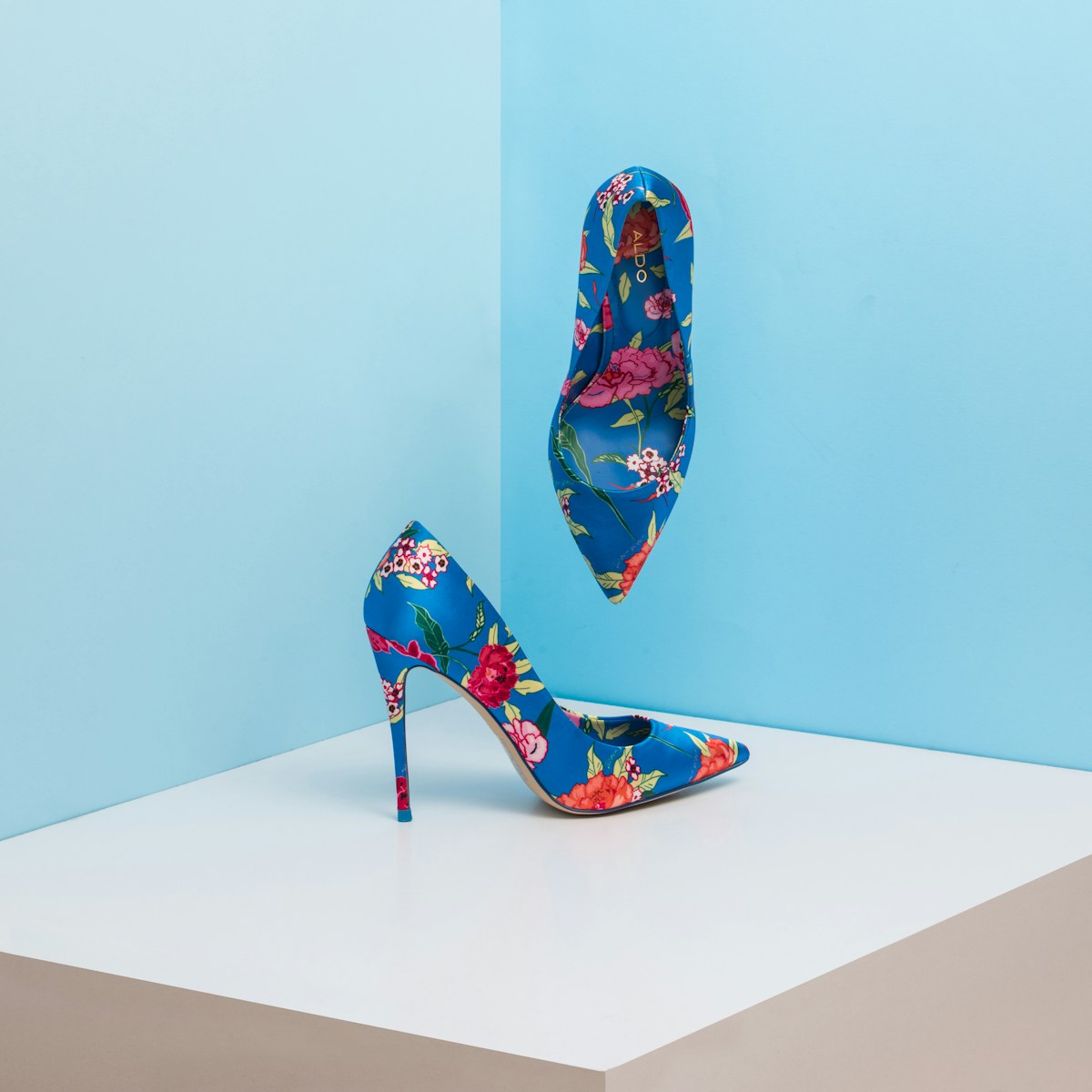
A simple heel, loafer, clean boot or polished flat can make an outfit feel more formal. Consider how often you will wear it and whether you can walk safely in it. Neutral colours can be easy to combine, but a colour you love may be more useful if it matches your usual clothes.
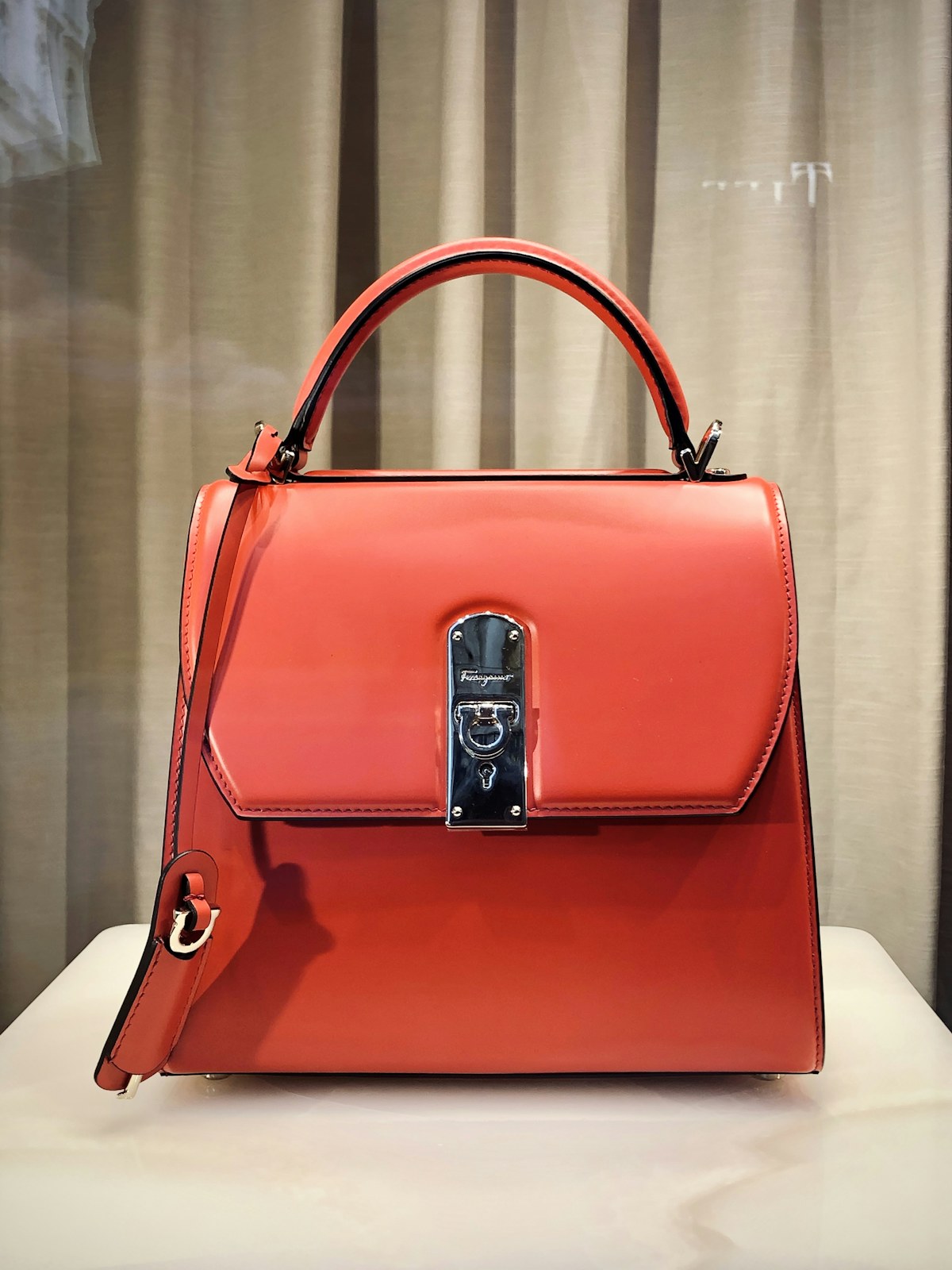
A practical everyday bag
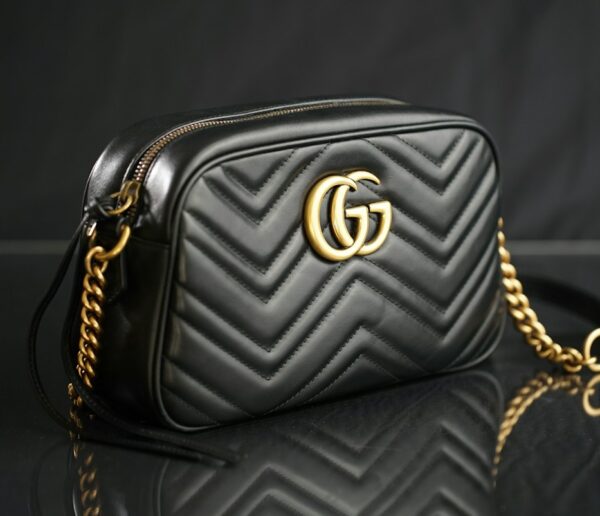
Choose a bag based on what you carry: phone, wallet, keys, sunglasses, water bottle, makeup or work items. Check dimensions, strap comfort, closure type, pocket layout and weight. Product photos can hide how large or small a bag really is, so read measurements carefully.
Accessories that work with several outfits
A belt, scarf, sunglasses or a small set of hair accessories can change the feel of familiar clothes without requiring a whole new outfit. Start with accessories you will use regularly. Avoid buying a large set simply because it looks like a bargain.
Jewelry you are happy to wear
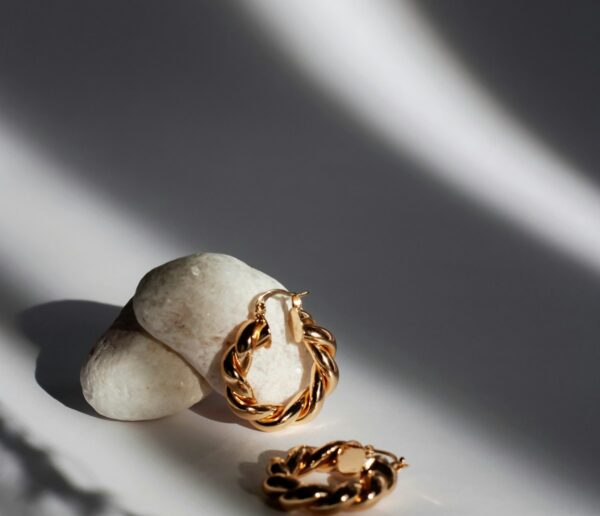
Simple earrings, a chain, a bracelet or a watch can be enough for many looks. Check material descriptions, care requirements, clasp quality and any allergy considerations that matter to you. Product descriptions should be specific about materials; do not assume that a gold colour means solid gold.
4. Use makeup and beauty products with intention
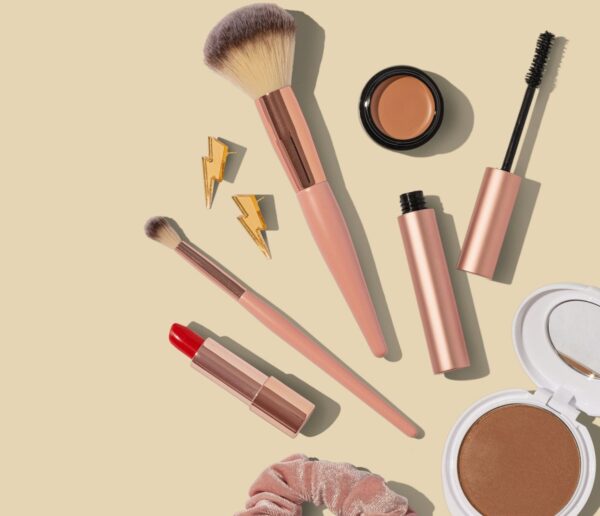
Makeup is personal, and the right routine can be minimal or detailed. If you are building a practical collection, start with products you genuinely use and shades that suit your preferences. Check ingredients, expiry guidance, skin compatibility and the retailer’s return policy, especially for products that cannot be returned once opened. Do not buy a product only because it is popular online.
5. Check quality without paying for a label alone
Price is only one clue. Look at seams, stitching, fabric composition, lining, zips, buttons, sole construction and care instructions. For online purchases, read recent reviews critically and look for comments about fit, durability and whether the item matches the photos. A single enthusiastic review is less informative than a pattern of specific feedback.
For bags and shoes, consider the points that experience the most wear: handles, straps, corners, soles and fastenings. For clothing, consider how the fabric drapes, whether it is see-through, and how much care it needs. A more expensive item is not automatically better, and a lower-priced item can be a sensible choice when it meets your needs.
6. Make a short shopping list before checkout
Write down what is missing and what you need it for. Set a realistic budget and compare at least a few options on the features that matter to you. Check the final price, shipping costs, delivery estimates, sizing details and return terms before placing an order. If a listing lacks important measurements or clear material information, look for another listing or contact the retailer.
7. Keep your wardrobe working
Every few months, review what you actually wore. Repair items that are worth keeping, donate or responsibly pass on pieces in good condition that no longer suit you, and avoid replacing things just because a new trend appears. If an item repeatedly feels uncomfortable or difficult to style, use that information to make better choices next time.
Final thoughts
A versatile wardrobe is built through thoughtful choices, not one big shopping trip. Start with comfortable basics, choose colours that work together, invest in shoes and bags that suit your routine, and add accessories that help you express your own style. Before buying, compare fit, materials, care, dimensions and retailer policies. The best wardrobe is the one that works for your life and makes getting dressed easier.
BestBuyZon may include affiliate links on some pages. See our Affiliate Disclosure for details.