

Building an everyday makeup kit does not mean buying every trending product. A useful kit starts with what you enjoy wearing, the time you want to spend getting ready and the finish you prefer. A few carefully chosen products can cover many occasions, while unused shades and duplicate items can take up space and money.
1. Decide what your routine needs
Think about how often you wear makeup and the look you usually prefer. Some people want a quick, natural finish; others enjoy a more defined look for events. Your kit should reflect your habits, not a routine that takes longer than you can realistically manage.
Write down the products you already use regularly and identify genuine gaps. If you rarely use eyeshadow, you may not need a large palette. If you prefer simple makeup, a few versatile shades may be more useful than a large collection of colours you seldom wear.
2. Choose complexion products carefully
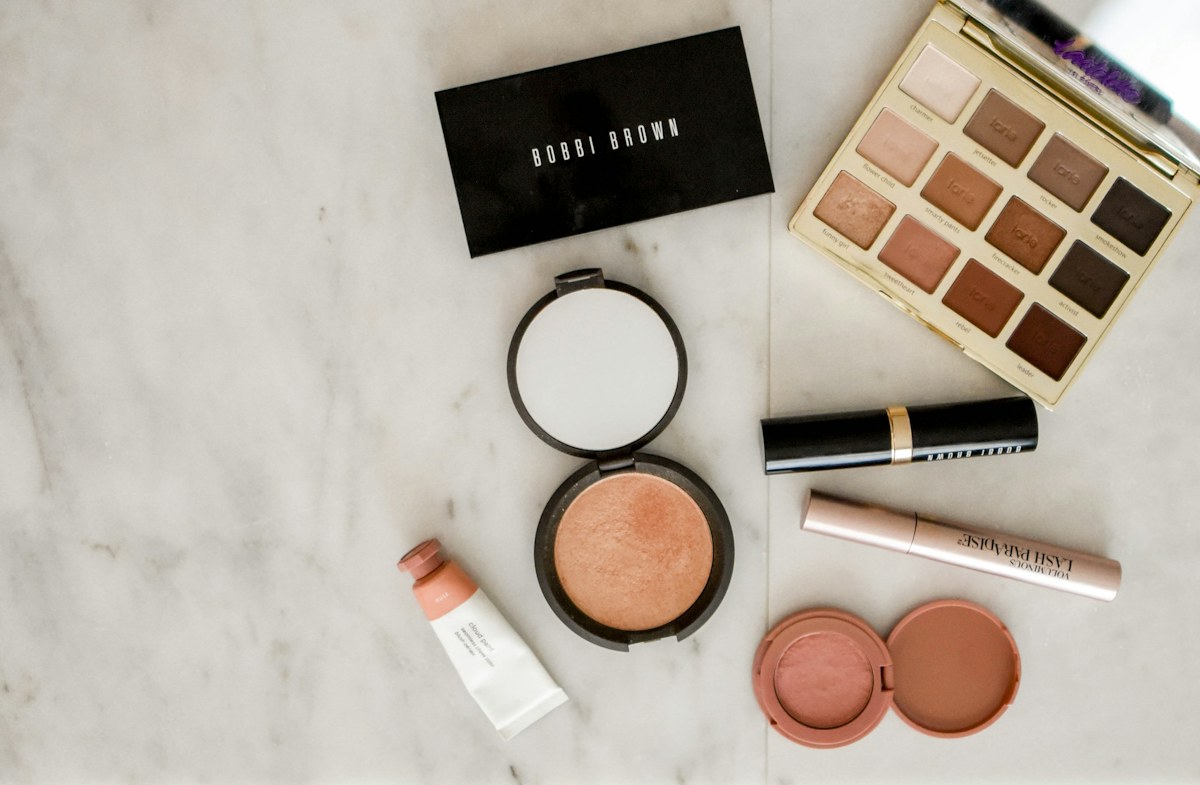
If you use foundation, skin tint or concealer, compare the available shade range, finish and coverage. Descriptions such as matte, dewy, sheer or full coverage help you narrow choices, but the final result also depends on skin type and application. Shade names can vary between brands, so use shade guidance and swatches from reliable sources rather than assuming that a familiar label will match.
Check the ingredient list and product directions, especially if you have known sensitivities. When possible, test a small amount first and stop using a product if it causes irritation. A return policy may not cover opened cosmetics, so read the terms before purchasing.
3. Build a small colour collection
For everyday use, choose lip and cheek colours that you genuinely enjoy and can combine with your usual clothing. Neutral pinks, berries, browns, corals and other shades can all work depending on personal preference and skin tone. There is no single universally flattering colour.
If you are unsure about a shade, compare swatches in natural light and look for examples from people with similar preferences or complexion. Product images can be edited or photographed under different lighting, so colour may appear different in person.
4. Select useful tools and brushes
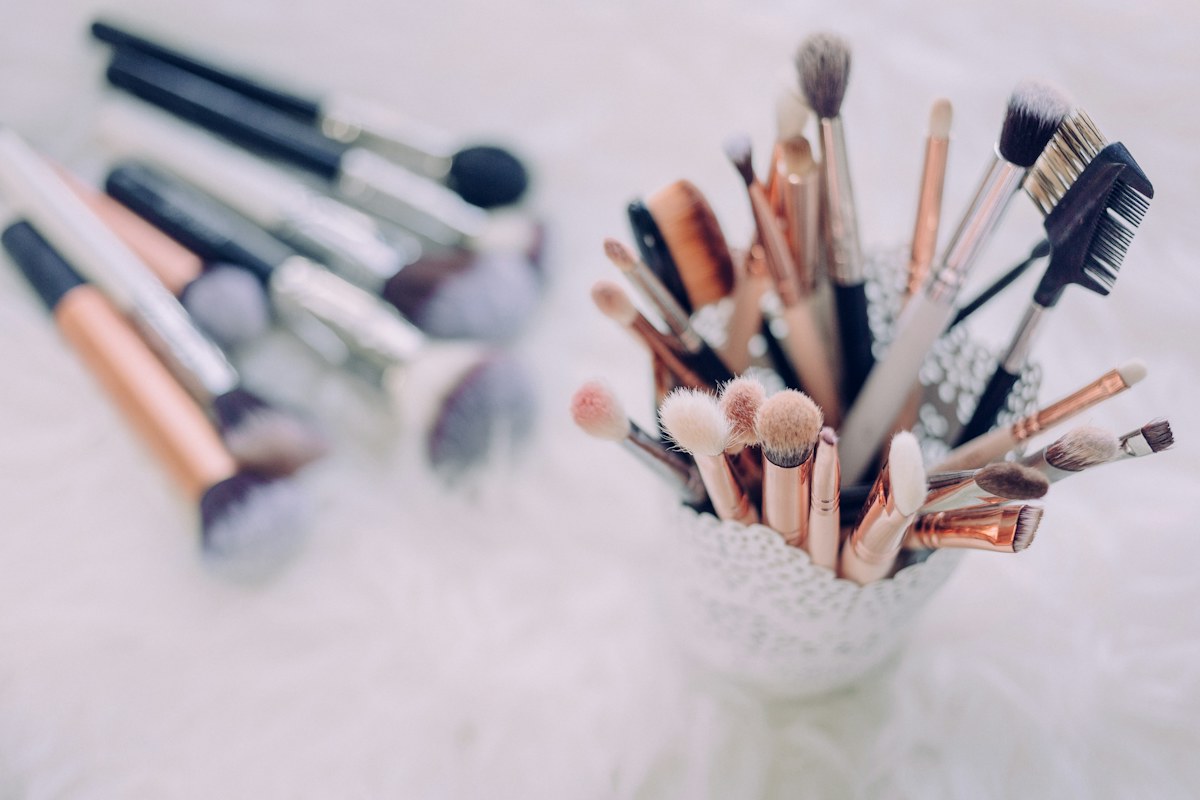
You do not need a large brush collection to begin. Choose tools that suit the products you use, and learn how to clean them according to the material and manufacturer instructions. Dirty brushes and sponges can accumulate product residue, so regular cleaning and complete drying are important parts of a simple routine.
5. Check ingredients, expiry guidance and storage
Follow the packaging instructions for storage and the period after opening. Keep cosmetics away from excessive heat and moisture, and avoid sharing products that touch the eyes or lips. Do not use a product if its smell, colour or texture changes unexpectedly. When in doubt, follow the manufacturer’s safety guidance.
Ingredient lists are worth checking if you have known allergies or sensitivities. Marketing phrases alone do not tell you whether a product will suit you, and a product described as natural is not automatically free from potential irritants.
6. Compare value instead of pack size
A multi-piece set can appear economical, but it may contain shades or tools you will never use. Compare the price per item only after considering quality, usefulness and how much product you are likely to finish. A smaller product that suits your routine may be better value than a larger one that sits unused.
Read recent reviews for repeated comments about texture, shade accuracy, packaging and wear time. Reviews can help identify patterns, but individual experiences vary. Do not treat promotional claims or one positive review as a guarantee.
7. Check retailer terms before checkout
Before buying, confirm the exact shade, size, ingredients, delivery cost and return conditions. Some retailers restrict returns on opened cosmetics for hygiene reasons. If a listing lacks an ingredient list or shade information that matters to you, look for a more complete listing or contact the retailer.
Simple starter checklist
- Choose a routine you can maintain comfortably.
- Buy only products you have a clear use for.
- Compare shades and finishes using reliable swatches.
- Read ingredient and storage information.
- Keep brushes and tools clean.
- Check the retailer’s current price and return policy.
Final thoughts
A useful makeup kit is personal. Start with a few products you enjoy, compare shades and ingredients carefully, and add new items only when you know what is missing. This approach helps reduce waste and makes it easier to find products that fit your routine and budget.
BestBuyZon may include affiliate links on some pages. See our Affiliate Disclosure for details.